
PRP vs. Steroid
Two Injections. Two Very Different Treatment Philosophies.
Both Platelet-Rich Plasma (PRP) and corticosteroid (cortisone) injections are commonly used to treat a variety of conditions, but they work in fundamentally different ways.
Cortisone is designed to temporarily reduce inflammation and relieve pain, while PRP utilizes concentrated platelets and growth factors from your own blood to support the body's natural healing response. Choosing the right treatment depends on your diagnosis, arthritis severity, activity level, and long-term goals.
At Detroit Biologics, treatment recommendations are individualized and based on the latest available evidence—not simply the most commonly performed injection.
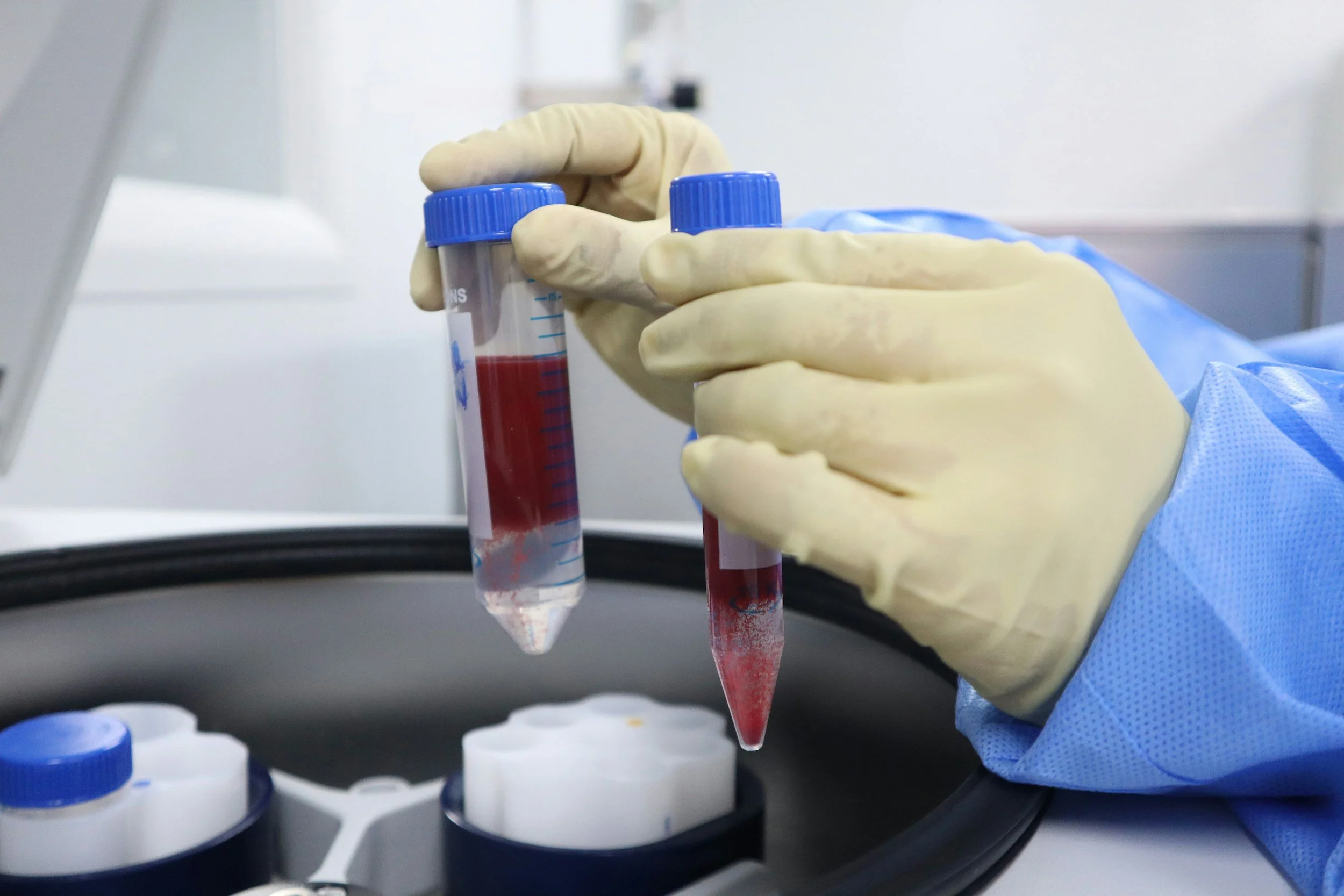
PRP vs. Steroid
Treatment Goal
PRP: Supports the body's natural healing response by delivering concentrated platelets and growth factors directly to the injured tissue.
Steroid: Primarily reduces inflammation and provides temporary symptom relief.
Duration of Benefit
PRP: Benefits often continue to develop over several months and may provide longer-lasting improvements in pain and function.
Steroid: Pain relief is often faster but is typically temporary.
Effect on Joint Health
PRP: Multiple randomized trials and systematic reviews support PRP as an effective treatment option for appropriately selected patients with mild to moderate knee osteoarthritis, with many studies demonstrating greater and longer-lasting improvements than corticosteroid or hyaluronic acid injections.
Steroid: While corticosteroid injections can provide meaningful short-term pain relief, studies have raised concerns that repeated corticosteroid injections may contribute to cartilage volume loss (chondrotoxicity). Additional research has also suggested an association between repeated steroid injections and earlier progression to knee replacement in some patients.
Recovery
PRP: Mild soreness for several days is common as the body's healing response begins with gradual improvement over 3 months.
Steroid: Typically little to no downtime, with pain relief often beginning within a few days. While symptoms may improve quickly, the relief is generally temporary and does not reflect healing of the underlying tissue.