
PRP for Knee Arthritis
An Evidence-Informed, Non-Surgical Treatment Option
Knee osteoarthritis is one of the most common causes of pain, stiffness, and loss of mobility. For appropriately selected patients, Platelet-Rich Plasma (PRP) may provide a non-surgical treatment option that helps reduce pain, improve function, and support the body's natural healing response.
Growing evidence supports Platelet-Rich Plasma (PRP) as an effective non-surgical treatment for appropriately selected patients with mild to moderate knee osteoarthritis, with many studies demonstrating superior and longer-lasting improvements in pain and function compared with corticosteroid and hyaluronic acid injections.
At Detroit Biologics, every PRP procedure is personally performed by Dr. Melanie Worley using precision ultrasound guidance and an advanced preparation protocol designed to optimize the biologic quality of the final PRP product.
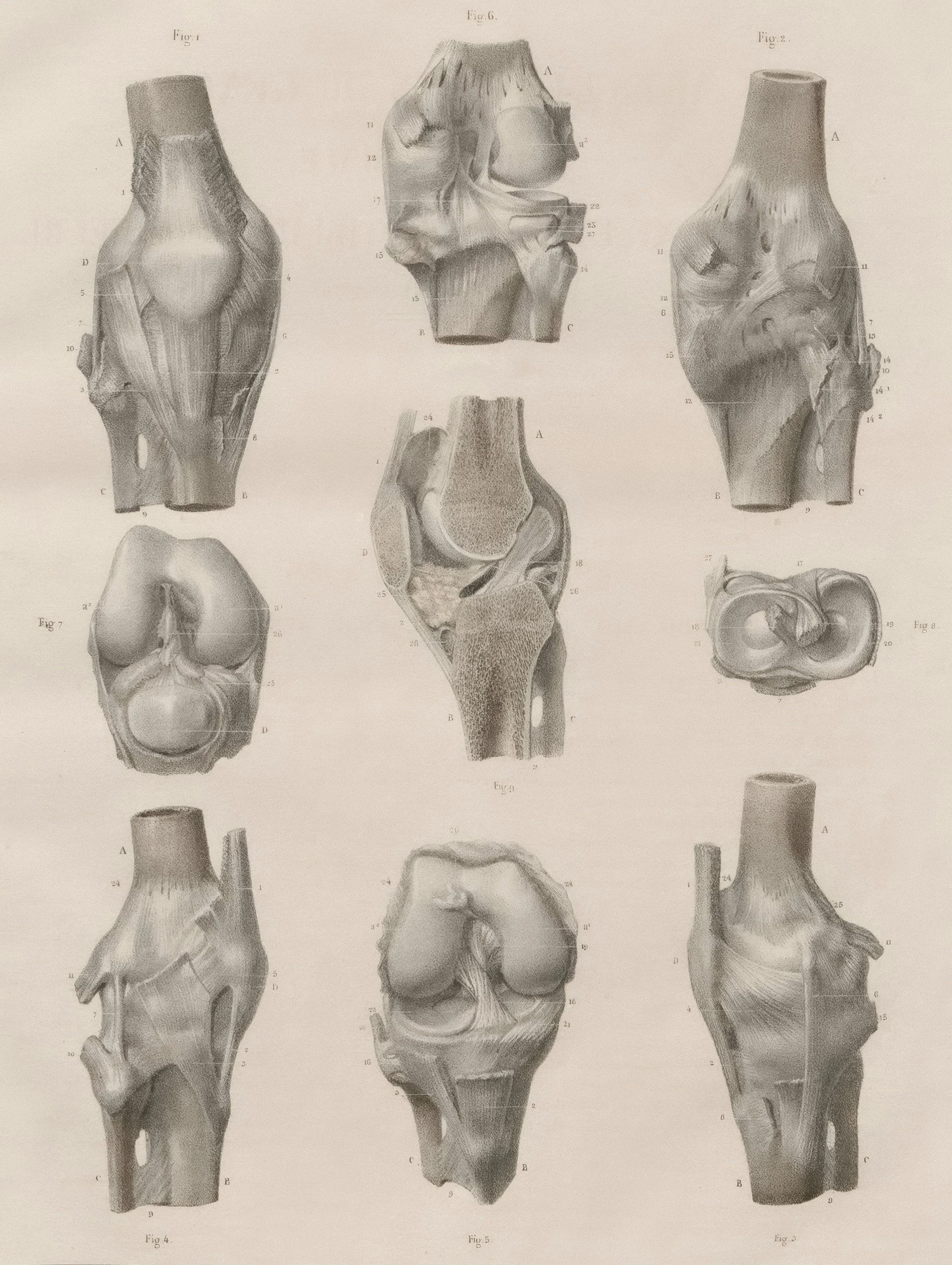
Why Platelet Dose Matters for Knee Arthritis
Not all PRP is the same.
One of the most important factors influencing PRP quality is the total platelet dose delivered to the joint—not simply the platelet concentration.
Recent research has identified a dose-response relationship in knee osteoarthritis, suggesting that higher total platelet doses are associated with improved clinical outcomes. A systematic review by Berrigan et al. found that studies using higher platelet doses consistently demonstrated better functional outcomes than studies using lower platelet doses. Their analysis identified a cumulative treatment threshold of greater than 10 billion platelets as being associated with the most favorable outcomes in patients with knee osteoarthritis.
Similarly, a prospective clinical study by Bansal et al. demonstrated sustained improvements in pain, function, and cartilage preservation using a standardized PRP preparation containing 10 billion platelets, further supporting the importance of adequate platelet dosing for knee osteoarthritis.

Our PRP Philosophy
At Detroit Biologics, we believe quality begins with the preparation.
Rather than relying on a small blood sample, our PRP protocol utilizes a higher-volume blood draw to maximize the available platelet yield. This allows us to prepare a highly concentrated PRP product designed to achieve an evidence-informed platelet dose while maintaining precision treatment delivery.